
Top 10 Technologies That Will Change the Future
The technologies that are shaping tomorrow — from Artificial Intelligence and Blockchain to Cloud, IoT, and beyond.
Artificial Intelligence (AI)
What is it?
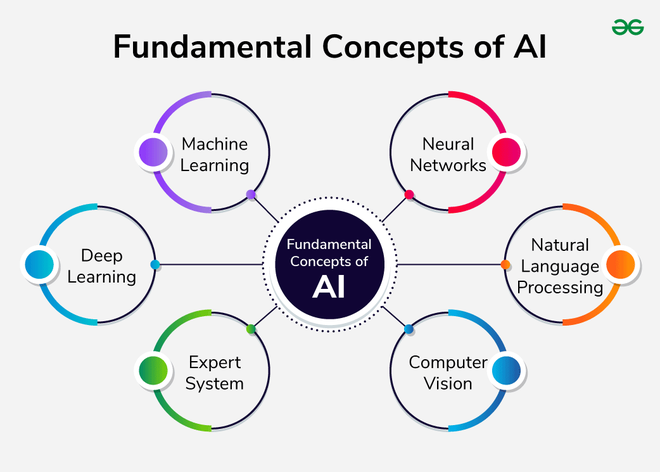
Artificial Intelligence refers to methods that enable machines to learn from data, make decisions, and perform tasks that previously required human intelligence.
Why it matters
AI has the potential to transform industries — from healthcare and autonomous driving to data analytics and smart customer service. It is the core of the digital revolution.
Examples
- Image and speech recognition
- User behavior prediction and personalization
- Business process automation
Cloud Computing
What is it?
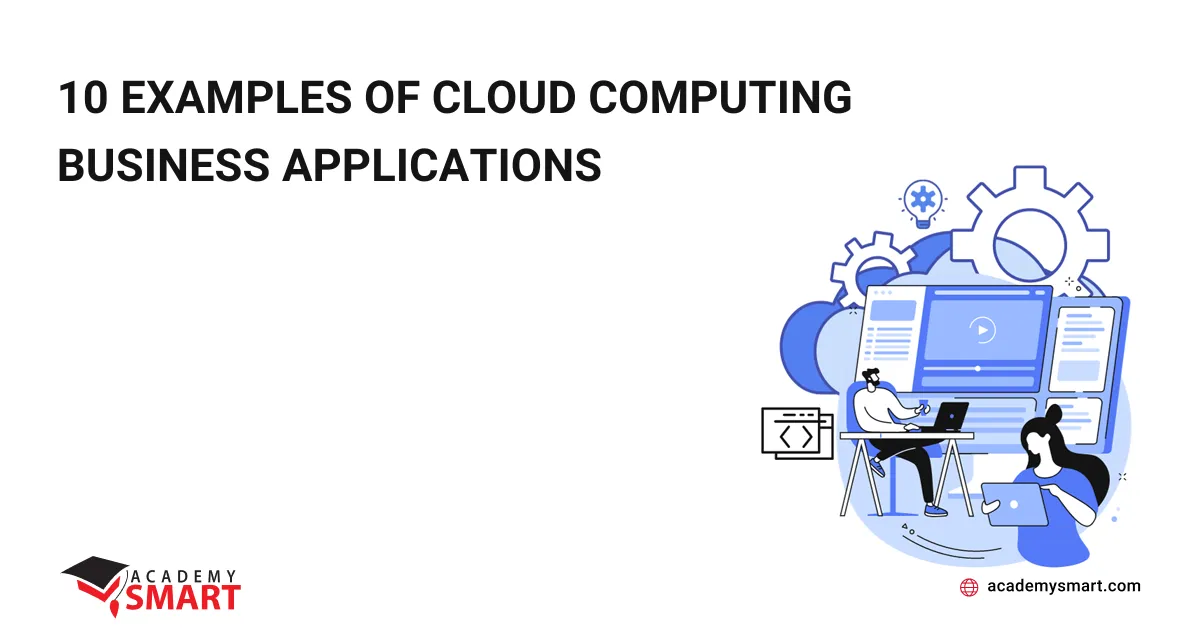
Cloud computing provides computing services such as servers, storage, databases, and networking via the internet in a flexible and scalable manner.
Why it matters
Businesses and users can access computing resources without large physical infrastructure costs, enabling agility and innovation.
Examples
- SaaS platforms (Software as a Service)
- Cloud-based data storage
- Enterprise IT infrastructure as a service
Internet of Things (IoT)
What is it?
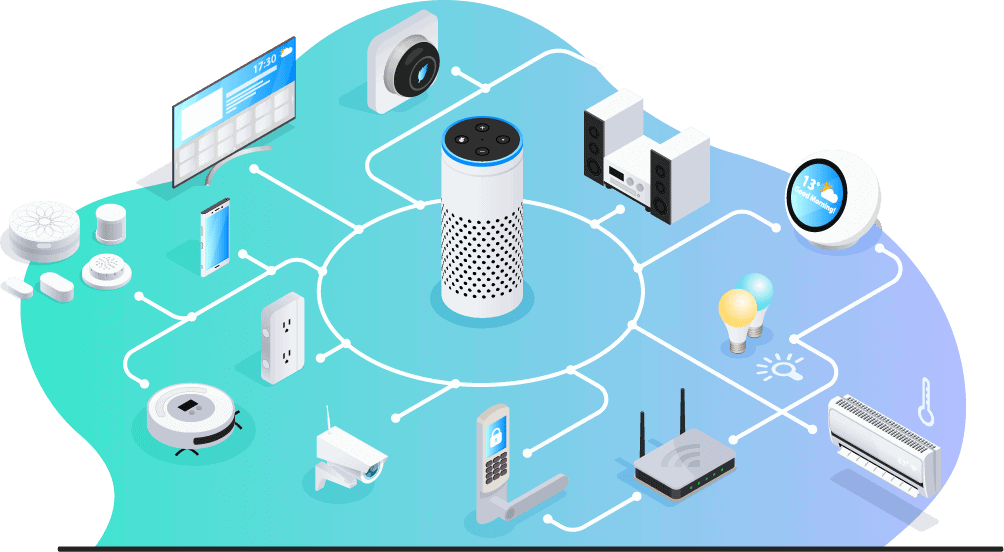
The Internet of Things is a network of physical devices connected to the internet that collect and share data.
Why it matters
IoT bridges the physical and digital worlds — powering smart homes, cities, and industries.
Examples
- Environmental sensors for air quality monitoring
- Wearable health trackers
- Smart manufacturing and predictive maintenance
Blockchain
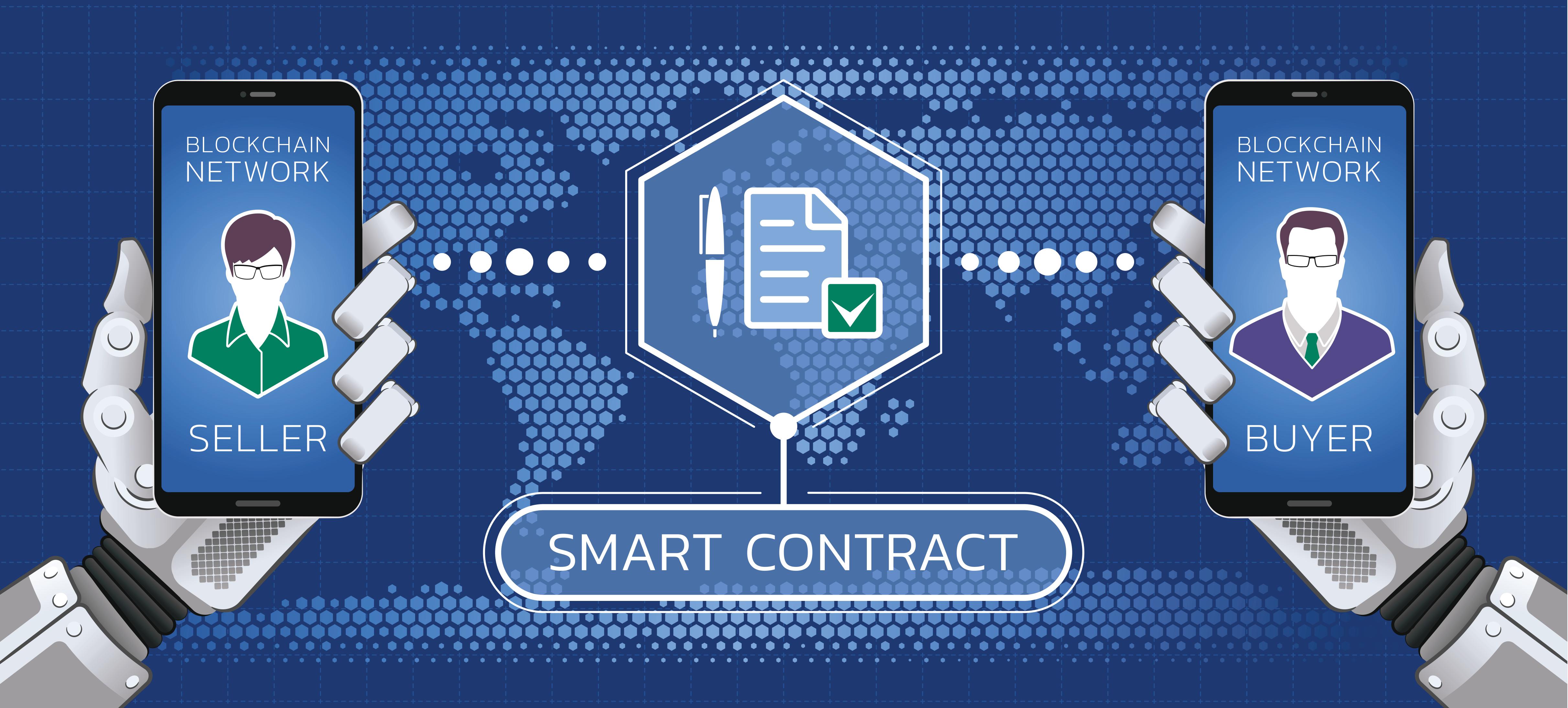
What is it?
A distributed ledger technology that stores data transparently and securely, reducing the risk of tampering.
Why it matters
Blockchain builds digital trust, minimizes intermediaries, and transforms supply chains, finance, and identity management.
Examples
- Smart contracts
- Product origin tracking in supply chains
- Digital payment and cryptocurrencies
Edge / Fog Computing
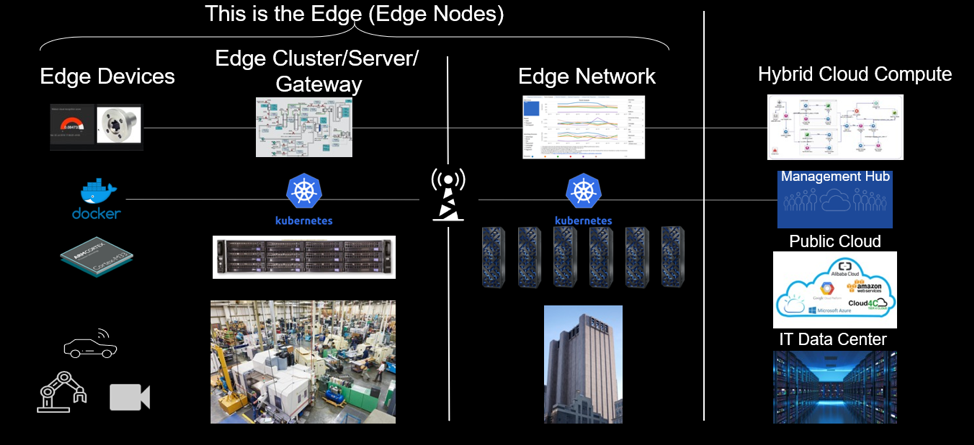
What is it?
Edge computing processes data closer to where it’s generated instead of sending it to centralized servers.
Why it matters
It reduces latency, saves bandwidth, and enables real-time applications such as autonomous vehicles and AR.
Examples
- Self-driving cars
- Smart city sensors
- Low-latency AR/VR experiences
Quantum Computing
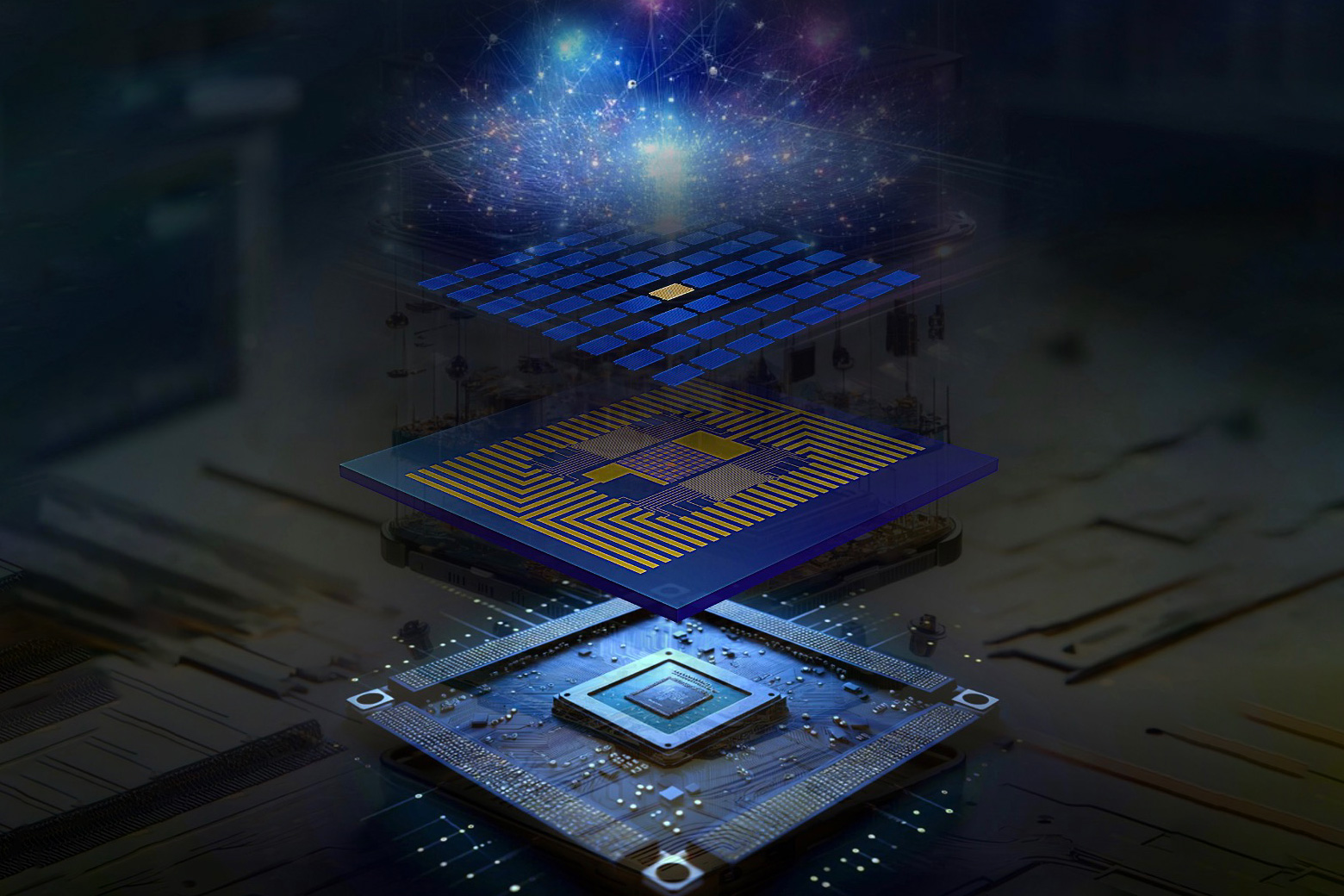
What is it?
Quantum computing uses quantum mechanics (superposition and entanglement) to solve problems much faster than classical computers.
Why it matters
It has enormous potential in optimization, cryptography, and molecular simulation.
Examples
- Breaking classical encryption algorithms
- Simulating molecules for drug discovery
- Logistics optimization
Augmented & Virtual Reality (AR/VR)

What is it?
AR adds digital elements to the real world, while VR creates fully immersive digital environments.
Why it matters
These technologies enhance experiences in education, entertainment, design, and healthcare.
Examples
- Medical and training simulations
- 3D product visualization
- Immersive gaming and interactive experiences
Robotic Process Automation (RPA)
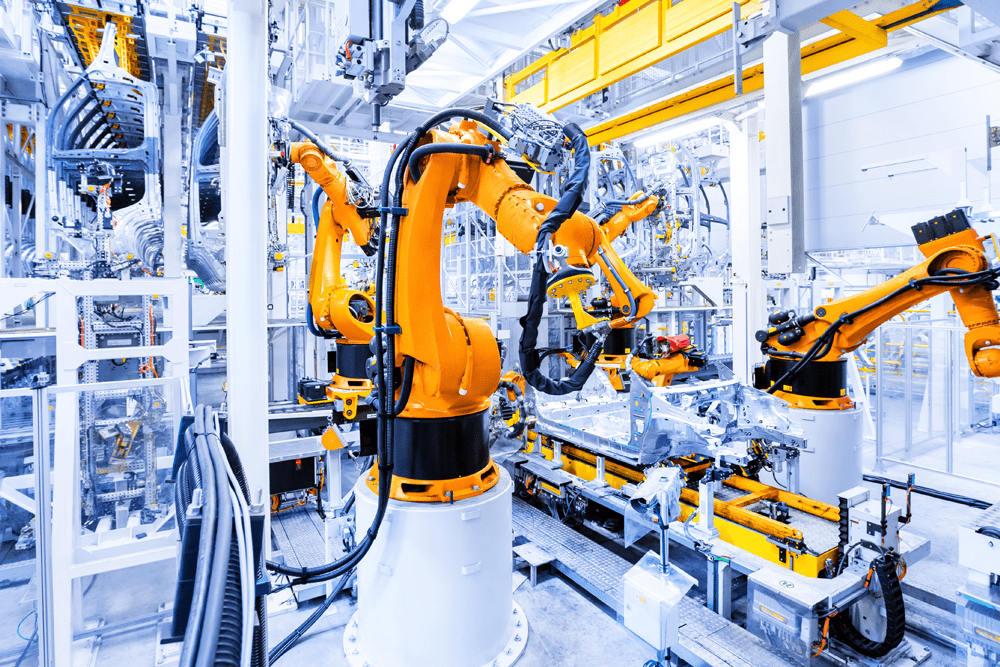
What is it?
RPA uses software robots to automate repetitive, rule-based processes in organizations.
Why it matters
It improves efficiency, reduces human error, and allows employees to focus on creative tasks.
Examples
- Data entry automation
- Document and report generation
- Finance and support workflows
Green Tech & Sustainability

What is it?
Green technologies aim to reduce energy consumption, pollution, and environmental impact.
Why it matters
They are essential for combating climate change and promoting sustainable growth.
Examples
- Energy-efficient data centers
- Smart energy management with AI & IoT
- Low-carbon supply chains
5G / 6G and Advanced Connectivity
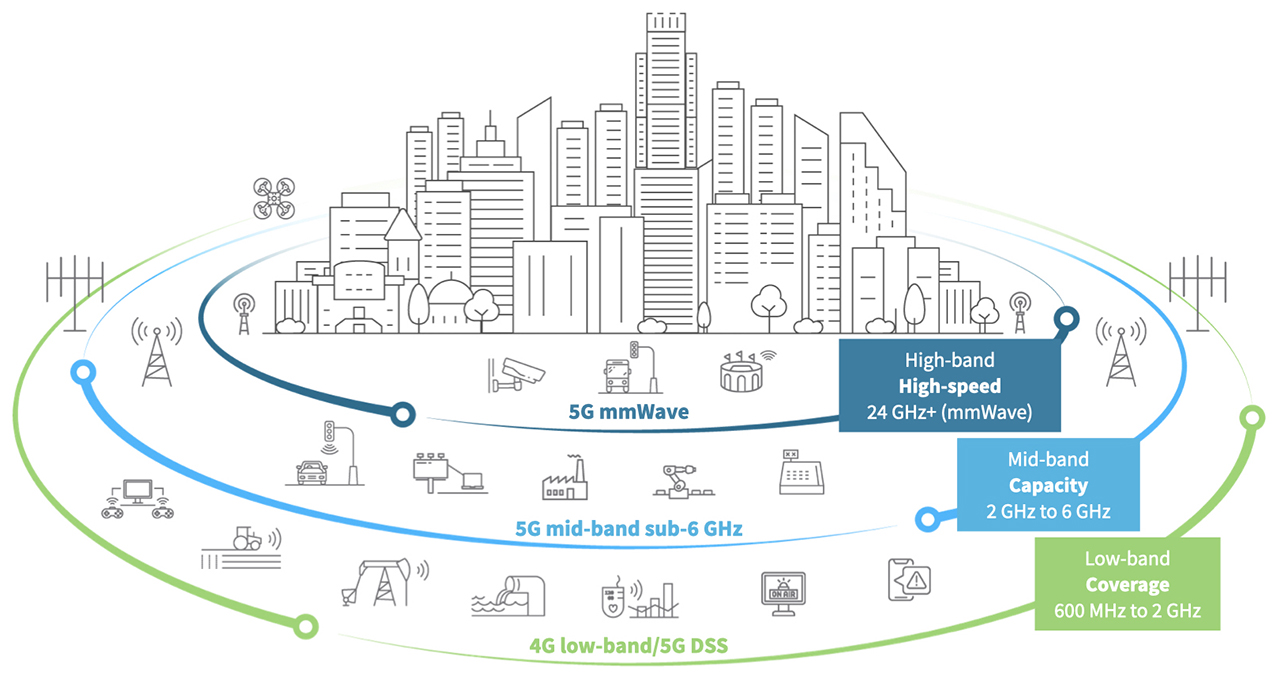
What is it?
5G and upcoming 6G are networks offering ultra-high speeds, low latency, and massive connectivity.
Why it matters
They are critical for IoT, autonomous systems, and real-time immersive technologies.
Examples
- Seamless IoT connectivity
- Low-latency AR/VR services
- Instant industrial automation